- Company
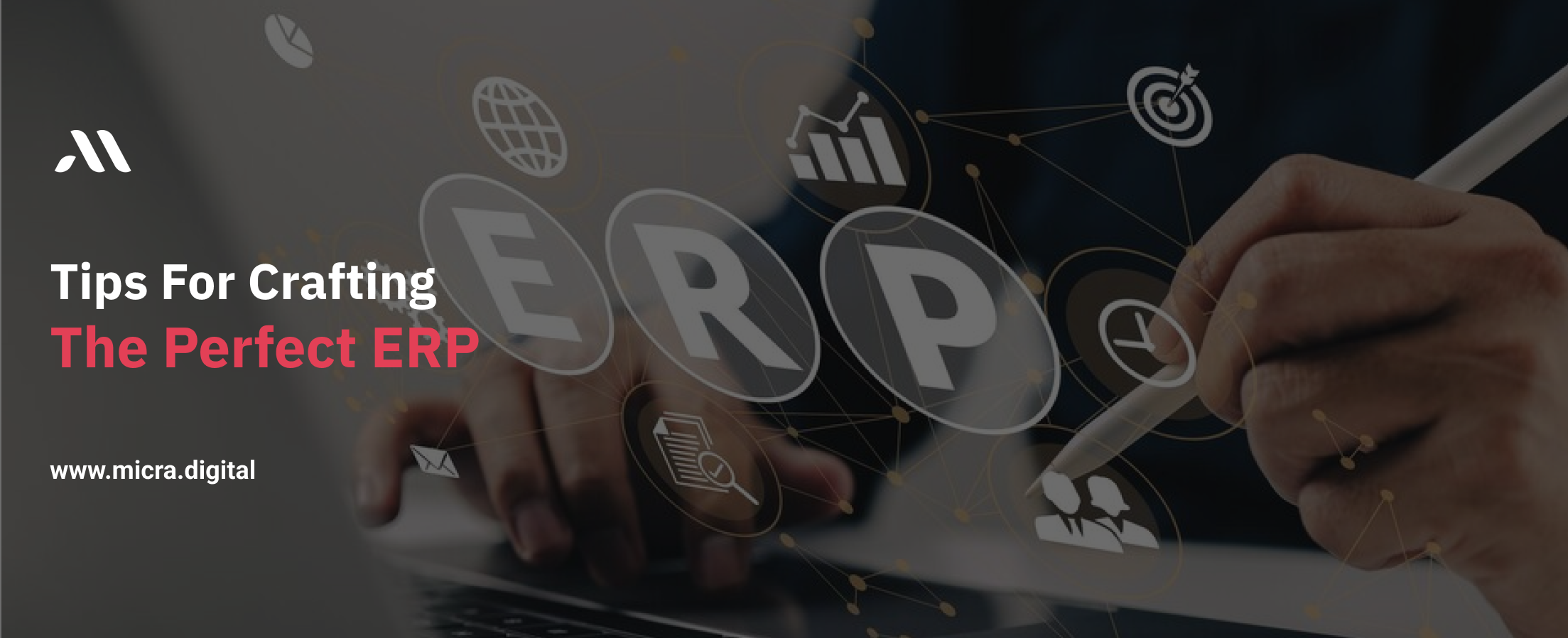
In today’s fast-paced business world, having the right ERP (Enterprise Resource Planning) system can make a massive difference. It’s not just about integrating different parts of your business; it’s about creating a system that works for your unique needs, simplifies daily operations, and grows alongside your company.
If you’re considering developing an ERP or improving your existing one, here are some tips to help you get it right.
1. Understand Your Needs First
Before diving into development or choosing an off-the-shelf ERP, take a moment to evaluate your business.
Create a list of priorities. Knowing what you need will ensure your ERP is focused and effective whether it’s inventory tracking, sales management, or employee scheduling.
2. Keep It Simple
It’s easy to get carried away with all the bells and whistles modern software offers, but an overly complicated ERP can confuse your team rather than help them. Focus on the essentials and ensure the interface is easy to navigate. You can always add more features later as your business grows.
3. Choose the Right Development Partner
Crafting an ERP is not a solo project. Whether you’re building from scratch or customizing a pre-built system, work with developers who:
Ask for references or case studies to ensure they’ve successfully handled similar projects before.
4. Involve Your Team
Your employees will use the ERP daily, so their input is invaluable. Involve them early in the process by:
By making them a part of the process, you’ll get better feedback and smoother adoption.
5. Focus on Integration
An ERP works best when it connects all your key departments—finance, sales, inventory, HR, and more. Ensure your ERP integrates smoothly with any tools or software you already use. For example, if you’re running e-commerce, your ERP should sync with your online store and accounting tools.
6. Prioritize Real-Time Data
Access to real-time, precise data is one of the main benefits of an ERP. Businesses that deal with inventory, customer service, or logistics will find this very helpful. Verify that your ERP is built to provide dashboards and real-time updates.
7. Make It Scalable
Your business won’t stay the same forever, so your ERP shouldn’t either. As your business expands, you can add more modules, users, or features by designing it with flexibility in mind. When your demands change, a scalable ERP spares you the trouble of starting over.
8. Test, Test, Test
Even the most carefully planned ERP can have bugs or inefficiencies when launched. Before going live:
Testing ensures a smoother transition and builds confidence in the system.
9. Don’t Forget Security
Security should be your first consideration because your ERP will handle critical consumer and corporate data. To prevent hacking, collaborate with your developers to incorporate encryption, secure user roles, and frequent system updates.
10. Keep Learning and Improving
Even after implementation, keep an eye on how your ERP performs.
Regularly updating and optimizing your ERP ensures it continues to deliver value.
When done right, an ERP can:
A perfect ERP isn’t just a tool—it’s a game-changer for businesses of any size. Follow these tips, avoid common pitfalls, and you’ll have a system that powers your success for years to come!
Ready to build an ERP that truly fits your business? Let us help you create a solution that simplifies operations and grows with you. Reach out today to get started!
1. What is an ERP system, and why do I need it?
An ERP system is software that integrates various business functions like sales, inventory, and finance into one platform. It helps improve efficiency, save time, and provide better insights for decision-making.
2. How long does it take to implement an ERP?
The timeline can vary depending on the complexity of your business and the ERP system. On average, it can take anywhere from a few weeks to several months.
3. Can small businesses benefit from an ERP?
Absolutely! An ERP helps small businesses save time, reduce manual errors, and focus more on growth by automating routine tasks.
4. What’s the cost of building a custom ERP?
The cost depends on the features you need, the complexity of your operations, and the development team’s expertise. While it can be an investment, the long-term savings often outweigh the initial expense.
5. How do I ensure my team adopts the new ERP successfully?
Involve them in the planning and testing phases, provide thorough training, and be open to their feedback. A user-friendly interface also helps improve adoption rates.
Let Odoo take your business to the next level!
Contact us and take the next step!
Follow Our Adventures!

Ready to launch your next project?

Company
Copyright © 2020. micra.digital. All rights reserved.