- Company
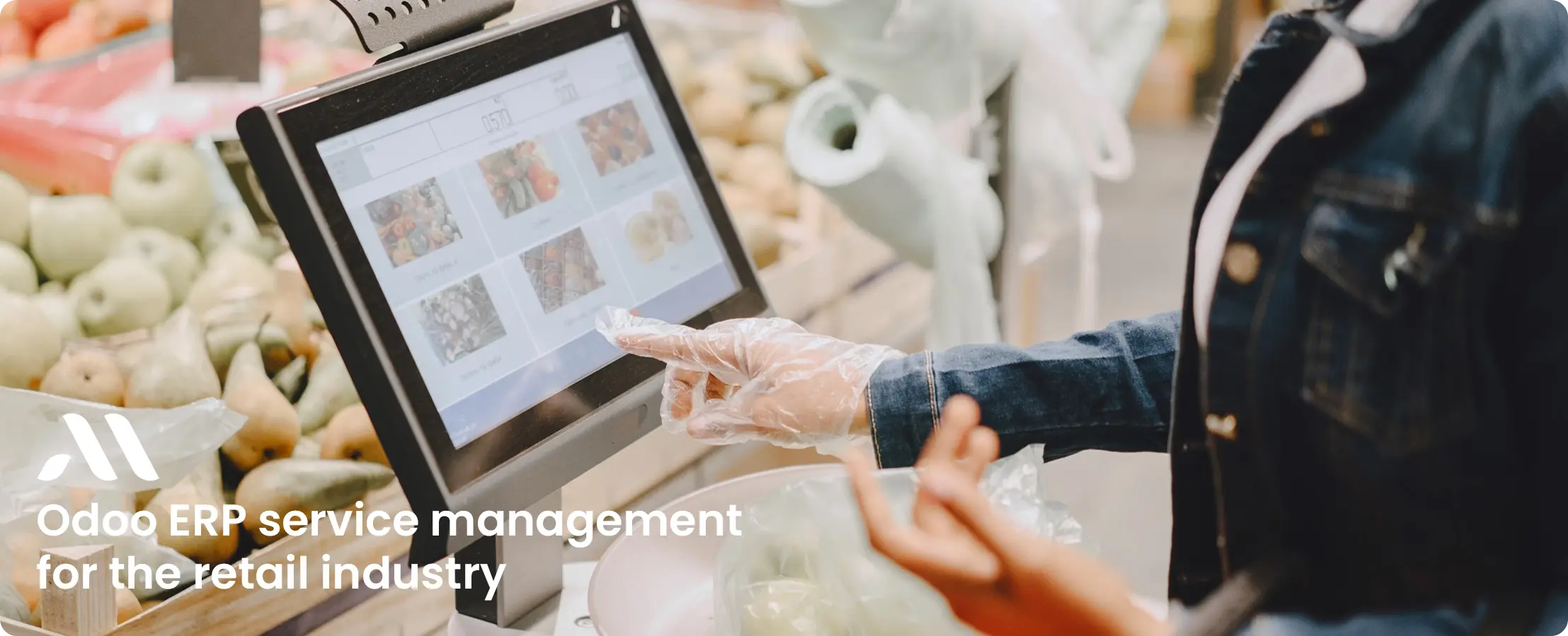
In today’s rapidly evolving retail industry, businesses must stay quick, efficient, and responsive to customer needs. The growing complexity of managing operations, inventory, customer interactions, and financials requires an integrated solution that streamlines processes.
This is where Odoo ERP (Enterprise Resource Planning) becomes a game-changer. Odoo ERP has gained widespread popularity for its flexibility, scalability, and range of applications tailored for different industries, including retail.
What makes Odoo ERP particularly attractive for retailers is its modular approach. Retailers can choose the modules they need and integrate them as their business grows. Whether it’s managing a single store or a chain of retail outlets across multiple locations, Odoo adapts to the needs of the business.
This flexibility, combined with a user-friendly interface and open-source nature, sets Odoo apart from other ERP solutions in the retail industry.
Moreover, Odoo is highly customizable. Retailers can tailor the system to their specific needs, whether integrating third-party applications, customizing workflows, or developing custom modules to fit their unique business requirements.
Retailers are no strangers to challenges. Managing multiple branches, dealing with complex supply chains, handling customer data, managing inventory, and ensuring a seamless customer experience are just some of the difficulties retailers face daily.
Traditional methods of managing operations—like spreadsheets and separate software for inventory, accounting, and CRM—are no longer efficient enough to keep up with the demands of modern retail businesses.
.webp)
Odoo ERP offers the necessary tools to streamline operations and improve productivity while enhancing customer experiences through automation and improved data visibility. Its comprehensive suite of apps and modules allows businesses to manage everything from sales, purchasing, and accounting to inventory, customer relationships, and human resources in one place.
Implementing Odoo ERP in retail businesses brings a range of benefits:
Retailers can view sales reports, and customer purchase histories, and manage promotions from the same platform.
The system can also track multiple warehouses and locations, offering better control over product movement.
The CRM also integrates with email and messaging systems to automate communications.
The sales module can automate processes such as issuing invoices, setting discounts, and managing customer orders across different sales channels.
This real-time integration eliminates the need for manual data entry and ensures that stock levels, pricing, and customer data remain up to date.
Integration with inventory and sales systems ensures that financial data is always accurate, eliminating costly errors.
Businesses can use these insights to make informed decisions, such as restocking popular items, discontinuing underperforming products, or adjusting pricing strategies to improve profitability.
In the retail sector, service management is vital. Whether it’s providing after-sales support, managing warranties, or maintaining customer loyalty programs, retailers must ensure they provide high-quality service to retain customers. Odoo ERP helps businesses manage these services efficiently through the following features:
1. Helpdesk and Ticketing System
Odoo’s Helpdesk module ensures that retailers can manage customer service requests and complaints effectively. By creating support tickets, businesses can track the status of customer inquiries and ensure prompt resolution. This fosters trust and loyalty among customers.
2. Field Service Management
Some retailers offer additional services such as installations or maintenance. Odoo’s Field Service app allows businesses to manage these operations efficiently. The app provides tools for scheduling appointments, tracking field agents, and managing work orders—all from the ERP system. It ensures that customers receive timely service and reduces operational bottlenecks.
3. Warranty Management
Odoo allows businesses to track product warranties and offer after-sales service accordingly. The system can automatically trigger alerts when a product’s warranty is about to expire, helping businesses offer timely support or upsell extended warranties.
4. Customer Portal
The Customer Portal enables customers to view their purchase history, warranties, and service requests in one place. This self-service feature enhances customer satisfaction and reduces the workload on customer support teams.
5. Loyalty Programs and Promotions
Odoo’s service management capabilities extend to offering loyalty programs and managing promotions. Retailers can track customer points, manage discount campaigns, and offer personalized promotions to improve customer retention and increase repeat business.
IIn the highly competitive retail industry, having a robust, integrated system like Odoo ERP can make all the difference. From managing inventory and sales to offering exceptional customer service, Odoo ERP enables retailers to streamline operations and focus on growth. Its flexible, scalable, and cost-effective nature makes it an ideal solution for businesses of all sizes.
By adopting Odoo ERP, retailers can enhance efficiency, reduce costs, and improve customer satisfaction, positioning themselves for long-term success in the market.
1. What is Odoo ERP?
Odoo ERP is a suite of open-source business applications that help companies manage various aspects of their operations, such as sales, inventory, customer relations, accounting, and more. It offers a modular approach, allowing businesses to implement the features they need and scale as required.
2. How does Odoo ERP benefit the retail industry?
Odoo ERP offers integrated tools to manage sales, inventory, accounting, and customer service, making it easier for retailers to run their businesses efficiently. It reduces manual work, improves data accuracy, and offers real-time insights into business operations.
3. Can Odoo ERP integrate with my existing systems?
Yes, Odoo is highly flexible and can integrate with a variety of third-party applications, including payment gateways, eCommerce platforms, and marketing tools. Its open-source nature allows for custom integrations to meet specific business needs.
4. Is Odoo ERP suitable for small retail businesses?
Absolutely. Odoo ERP’s modular system makes it affordable and scalable for small businesses. Retailers can start with just a few modules and expand as their business grows.
5. How much does it cost to implement Odoo ERP?
The cost of implementing Odoo ERP depends on the number of modules required, customization needs, and whether you opt for Odoo’s cloud hosting or self-hosted options. Odoo offers a free version with basic modules, while the paid enterprise version includes advanced features and support.
Let Odoo take your business to the next level!
Contact us and take the next step!
Follow Our Adventures!

Ready to launch your next project?

Company
Copyright © 2020. micra.digital. All rights reserved.