- Company
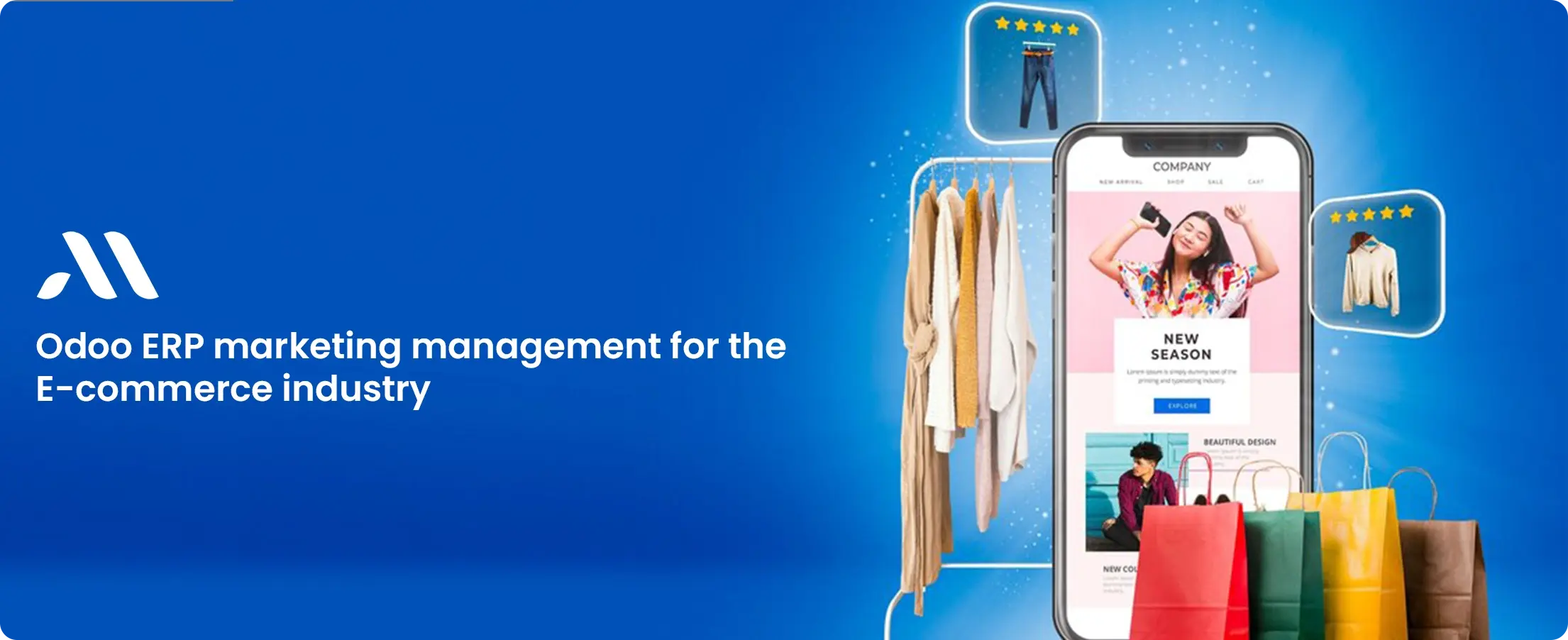
In today's fast-paced digital world, e-commerce businesses face stiff competition. The ability to stand out and effectively reach potential customers can make or break a business. Marketing, therefore, is a crucial component of any successful e-commerce operation. With the right tools, businesses can optimize their marketing efforts, engage more customers, and drive sales.
One such tool that has proven invaluable for e-commerce businesses is Odoo's Marketing Management suite. This blog will explore how Odoo Marketing Management can transform e-commerce operations, streamline marketing activities, and boost business growth.
Odoo is a complete ERP (Enterprise Resource Planning) system that offers a suite of applications designed to manage all aspects of a business.
The Marketing Management module within Odoo is specifically tailored to meet the diverse needs of e-commerce businesses. It integrates seamlessly with other Odoo modules such as Sales, CRM, Inventory, and Accounting, providing a unified platform to manage all marketing activities.
Odoo's Marketing Management suite includes tools for email marketing, social media marketing, SMS marketing, events, marketing automation, and surveys.
These tools enable e-commerce businesses to create, execute, and track marketing campaigns effectively, ensuring that they reach the right audience with the right message at the right time.
1. Email Marketing
Email marketing remains one of the most effective ways to reach customers in the e-commerce industry. Odoo’s Email Marketing tool allows businesses to create professional, personalized email campaigns without needing extensive technical skills. With its drag-and-drop editor, users can easily design attractive emails, segment their audience, and schedule campaigns.
The tool also provides detailed analytics, enabling businesses to track open rates, click-through rates, and conversion rates. This data helps in refining future campaigns to maximize their impact. Additionally, Odoo integrates with the e-commerce platform, allowing for personalized email content based on customer behavior, such as abandoned cart reminders or product recommendations.
2. Social Media Marketing
In the age of social media, having a strong online presence is crucial for e-commerce success. Odoo’s Social Media Marketing tool allows businesses to manage their social media accounts from a single platform. Whether it’s Facebook, Twitter, LinkedIn, or Instagram, businesses can schedule posts, track engagement, and analyze performance.
Odoo’s social media dashboard provides real-time insights into how posts are performing, allowing businesses to adjust their strategies on the fly. The integration with other Odoo modules means that businesses can automate social media campaigns based on customer data, such as targeting specific demographics with tailored messages.
3. SMS Marketing
SMS marketing is an often-overlooked channel that can yield significant results, especially for time-sensitive promotions. Odoo’s SMS Marketing tool enables businesses to send bulk messages to their customer base, whether it’s to announce a flash sale, send a discount code, or remind customers of an abandoned cart.
The tool supports segmentation, allowing businesses to target specific groups of customers based on their behavior or demographics. With Odoo’s analytics, businesses can track the success of their SMS campaigns, measuring delivery rates, open rates, and conversions.
4. Marketing Automation
Marketing automation is a game-changer for e-commerce businesses. It allows businesses to create automated workflows that trigger specific actions based on customer behavior. For instance, if a customer abandons their shopping cart, Odoo’s Marketing Automation tool can automatically send a reminder email or SMS.
This tool also supports multi-step workflows, enabling businesses to create complex marketing journeys that guide customers from initial interest to final purchase. With Odoo, businesses can automate repetitive tasks, saving time and ensuring that no potential sales opportunity is missed.
5. Event Management
Events, whether online or offline, are a powerful way to engage customers and build brand loyalty. Odoo’s Event Management tool allows businesses to plan, promote, and manage events from start to finish. Whether it’s a product launch, a webinar, or a customer appreciation day, Odoo provides all the tools needed to ensure the event’s success.
The tool integrates with Odoo’s CRM and Marketing modules, allowing businesses to promote events through email and social media, track registrations, and follow up with attendees afterward. Detailed analytics help businesses understand the event’s impact and plan future events more effectively.
6. Surveys
Customer feedback is invaluable for any e-commerce business. Odoo’s Survey tool allows businesses to create and distribute surveys to gather insights into customer preferences, satisfaction levels, and more. The tool offers a range of question types and allows for customization to suit the specific needs of the business.
The data collected through surveys can be analyzed within Odoo, helping businesses identify areas for improvement and tailor their marketing strategies accordingly. Surveys can also be used to engage customers by involving them in product development or service improvement initiatives.
Odoo Marketing Management offers numerous benefits that can significantly enhance the marketing efforts of e-commerce businesses:
1. Centralized Marketing Platform
One of the biggest advantages of Odoo is its ability to centralize all marketing activities on one platform. This eliminates the need for multiple tools and systems, reducing complexity and making it easier for businesses to manage their marketing efforts. With all data in one place, businesses can gain a holistic view of their marketing performance and make informed decisions.
2. Improved Customer Targeting
Odoo’s integration with CRM and other modules allows for more precise customer targeting. Businesses can segment their audience based on a wide range of criteria, such as purchase history, browsing behavior, and demographic information. This ensures that marketing messages are relevant and personalized, increasing the likelihood of conversion.
3. Increased Productivity with Automation
Marketing automation is a key feature of Odoo that can save e-commerce businesses significant time and resources. By automating repetitive tasks, such as sending follow-up emails or posting on social media, businesses can focus on more strategic activities. Automation also ensures that no customer interaction is missed, improving overall efficiency.
4. Data-Driven Decision Making
Odoo provides comprehensive analytics and reporting tools that give businesses deep insights into their marketing performance. By analyzing metrics such as open rates, click-through rates, and conversion rates, businesses can understand what works and what doesn’t. This data-driven approach enables continuous improvement and more effective marketing strategies.
5. Easy Connectivity with Other Business Operations
To fully leverage the power of Odoo Marketing Management, e-commerce businesses should follow these best practices:
1. Define Clear Objectives
Before launching any marketing campaign, it’s essential to define clear objectives. Whether it’s increasing sales, improving brand awareness, or engaging customers, having specific goals will guide your marketing efforts and help you measure success.
2. Split Up Your Audience
Audience segmentation is critical for delivering personalized marketing messages. Use Odoo’s segmentation tools to group customers based on behavior, demographics, or preferences. Tailor your campaigns to these segments to increase relevance and engagement.
3. Utilize Automation Wisely
While automation can greatly improve efficiency, it’s important not to overdo it. Ensure that automated messages still feel personalized and relevant to the customer. Regularly review and update your automation workflows to keep them aligned with your business goals.
4. Monitor and Analyze Performance
Regularly monitor the performance of your marketing campaigns using Odoo’s analytics tools. Look for trends, identify what’s working, and adjust your strategies accordingly. Continuous improvement is key to long-term success in e-commerce marketing.
5. Integrate with Other Business Functions
Leverage the integration capabilities of Odoo to align your marketing efforts with other business functions. For example, ensure that your marketing campaigns are synchronized with inventory levels to avoid promoting out-of-stock items. This holistic approach will enhance the overall customer experience.
Odoo Marketing Management is a powerful tool for e-commerce businesses looking to optimize their marketing efforts. With its comprehensive suite of tools, seamless integration with other business functions, and data-driven approach, Odoo enables businesses to effectively reach their target audience, engage customers, and drive sales. By implementing best practices and fully utilizing the features of Odoo, e-commerce businesses can gain a competitive edge in the market and achieve long-term success.
1. How does Odoo Marketing Management integrate with my e-commerce platform?
Odoo Marketing Management integrates seamlessly with your e-commerce platform, allowing you to manage all marketing activities from a single interface. This integration ensures that your marketing efforts are aligned with other business functions, such as sales and inventory.
2. Can I track the performance of my marketing campaigns in Odoo?
Yes, Odoo provides complete analytics and reporting tools that allow you to track the performance of your marketing campaigns. You can monitor key metrics such as open rates, click-through rates, and conversions to understand what’s working and make data-driven decisions.
3. Is it possible to automate my marketing campaigns with Odoo?
Absolutely! Odoo’s Marketing Automation tool allows you to create automated workflows that trigger specific actions based on customer behavior. This helps you save time, ensure consistent customer engagement, and increase the effectiveness of your campaigns.
4. Can Odoo help me segment my audience for more targeted marketing?
Yes, Odoo’s Marketing Management module includes powerful segmentation tools that allow you to group your audience based on various criteria. This enables you to deliver personalized marketing messages that are more likely to resonate with each customer segment.
5. How does Odoo’s Social Media Marketing tool benefit my e-commerce business?
Odoo’s Social Media Marketing tool allows you to manage all your social media accounts from a single platform. You can schedule posts, track engagement, and analyze performance, ensuring that your social media efforts are aligned with your overall marketing strategy.
Let Odoo take your business to the next level!
Contact us and take the next step!
Follow Our Adventures!

Ready to launch your next project?
Company
Copyright © 2020. micra.digital. All rights reserved.