- Company
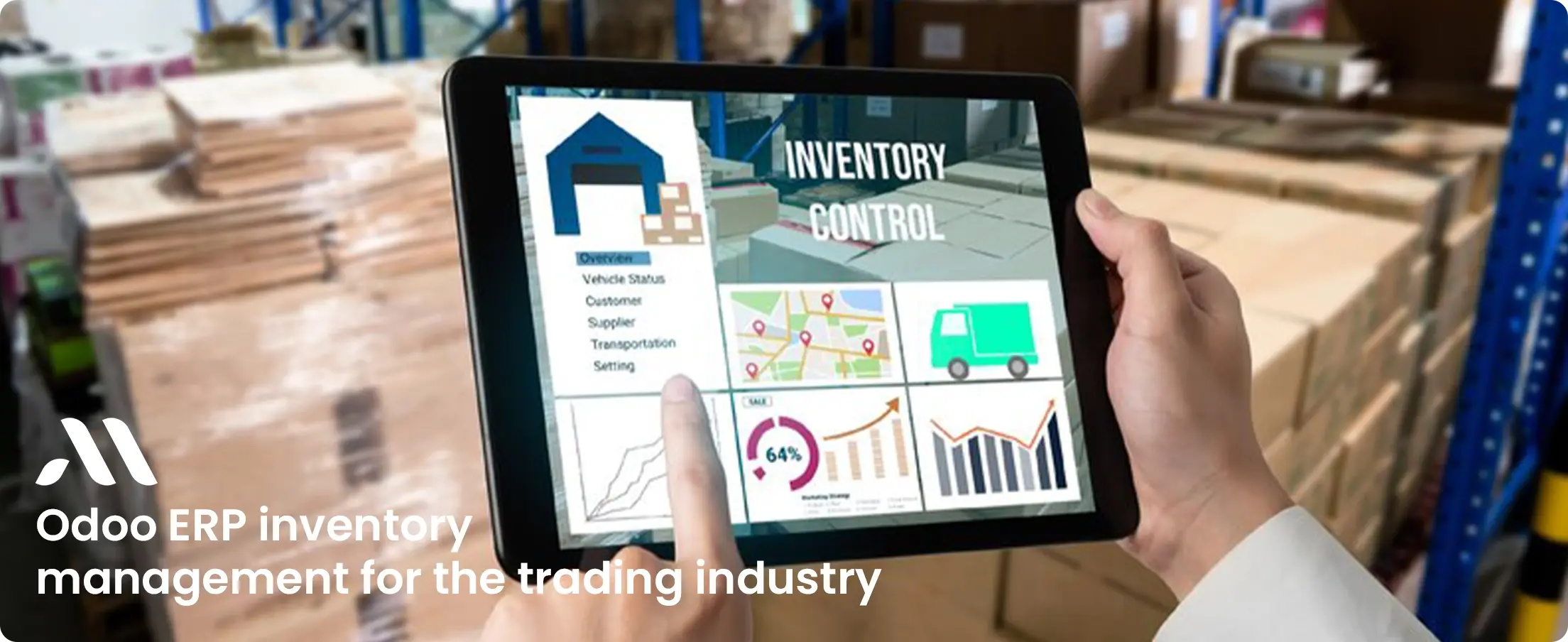
Effective inventory management is the backbone of success in the fast-paced world of trading and distribution.
Whether a small business dealing with a limited range of products or a large-scale distributor managing complex supply chains, accurate inventory tracking, stock control, and seamless integration with other business operations are crucial.
The trading industry faces numerous challenges, including fluctuating demand, complex logistics, and the need for timely and efficient stock replenishment.
Odoo ERP (Enterprise Resource Planning) offers a comprehensive and powerful inventory management solution tailored to the specific needs of the trading industry.
With its modular design, Odoo ERP allows businesses to integrate inventory management with other essential functions, such as sales, purchasing, accounting, and warehouse management, resulting in a fully streamlined and efficient system.
Before diving into the features and benefits of Odoo ERP, it’s essential to understand the typical challenges that trading businesses face when managing inventory:
Odoo ERP offers an all-in-one inventory management solution that helps businesses in the trading industry overcome these challenges and achieve seamless, efficient operations. Here’s how:
1. Real-Time Inventory Tracking
Odoo ERP provides real-time inventory tracking that allows businesses to monitor stock levels at all times. The system automatically updates inventory counts as products are sold, received, or transferred between locations, ensuring that businesses always have accurate, up-to-date stock information.
Use Case: A trading company with multiple warehouses can use Odoo ERP’s real-time tracking to monitor stock levels across all locations. When one warehouse runs low on a product, the system can suggest transferring stock from another location to avoid stockouts and meet customer demand.
2.Automated Reordering and Restocking
One of the most powerful features of Odoo ERP’s inventory management system is its automated reordering functionality. The system allows businesses to set minimum stock levels for each product, and when stock falls below these thresholds, Odoo automatically generates purchase orders or stock replenishment requests.
Use Case: A wholesaler selling consumer electronics can set up reordering rules in Odoo ERP to ensure that high-demand items like smartphones are always in stock. When the system detects that stock levels are running low, it automatically generates a purchase order from the preferred supplier, avoiding stockouts during peak sales periods.
3.Batch and Serial Number Tracking
For businesses dealing with products that require batch or serial number tracking, such as electronics, pharmaceuticals, or perishable goods, Odoo ERP offers a comprehensive solution for managing product traceability.
Use Case:A distributor of medical devices can use Odoo’s serial number tracking to ensure following regulatory requirements. Each device is assigned a unique serial number, allowing the distributor to track the product’s entire lifecycle, from manufacturing to final sale.
4. Inventory Valuation and Costing
Odoo ERP provides advanced tools for managing inventory valuation and costing, ensuring that businesses always have an accurate view of the financial impact of their stock.
Use Case: A trading company using the FIFO method can rely on Odoo ERP to automatically calculate the cost of goods sold (COGS) based on the oldest stock items. This ensures accurate profit calculations and financial reporting, helping the company make informed pricing decisions.
5. Warehouse Efficiency and Optimization
Odoo ERP’s Warehouse Management module helps businesses optimize their warehouse operations by streamlining key processes such as stock picking, packing, and shipping.
Use Case: A large distributor can use Odoo’s optimized picking routes to streamline warehouse operations, ensuring that products are picked and packed quickly and accurately. The system can also integrate with shipping carriers like FedEx or UPS, allowing for seamless order fulfillment and tracking.
6. Reporting and Forecasting
Odoo ERP’s Odoo ERP’s inventory management system includes advanced reporting and forecasting tools that allow businesses to gain insights into stock levels, sales trends, and supplier performance. These insights enable better decision-making and help businesses plan for future demand.
Use Case: A retail chain can use Odoo’s demand forecasting tools to predict which products will be in high demand during the holiday season. This allows the chain to order stock in advance and ensure that popular items are available, reducing the risk of stockouts.
Odoo ERP offers a powerful, flexible, and fully integrated inventory management solution for the trading industry. By automating critical inventory processes, providing real-time insights, and optimizing warehouse operations, Odoo ERP helps businesses reduce costs, improve accuracy, and meet customer demands efficiently. Whether you're a small trader or a large distributor, Odoo ERP can revolutionize your inventory management, driving growth and success in a competitive market.
1. How does Odoo ERP help with real-time inventory tracking in the trading industry?
Odoo ERP provides real-time inventory tracking, allowing trading businesses to instantly monitor stock levels, sales, and product movements.
2. Can Odoo ERP manage inventory across multiple warehouses or locations?
Yes, Odoo ERP supports multi-warehouse management. It provides a centralized view of inventory levels across different warehouses or storage locations. This enables businesses to efficiently manage stock transfers, balance inventory, and optimize stock levels across various locations.
3. Does Odoo ERP automate restocking and reordering?
Odoo ERP automates restocking by allowing users to set minimum stock levels and define reordering rules. When the stock falls below the predefined limit, Odoo generates automatic purchase orders or stock transfer requests, ensuring timely replenishment and avoiding stockouts.
4. Can Odoo ERP handle batch and serial number tracking for trading businesses?
Yes, Odoo ERP offers batch and serial number tracking. This feature is particularly useful for businesses that deal with products requiring traceability, such as electronics, pharmaceuticals, or perishable goods. It helps track expiration dates, warranty claims, and product recalls, ensuring compliance with industry standards.
Let Odoo take your business to the next level!
Contact us and take the next step!
Follow Our Adventures!

Ready to launch your next project?

Company
Copyright © 2020. micra.digital. All rights reserved.