- Company
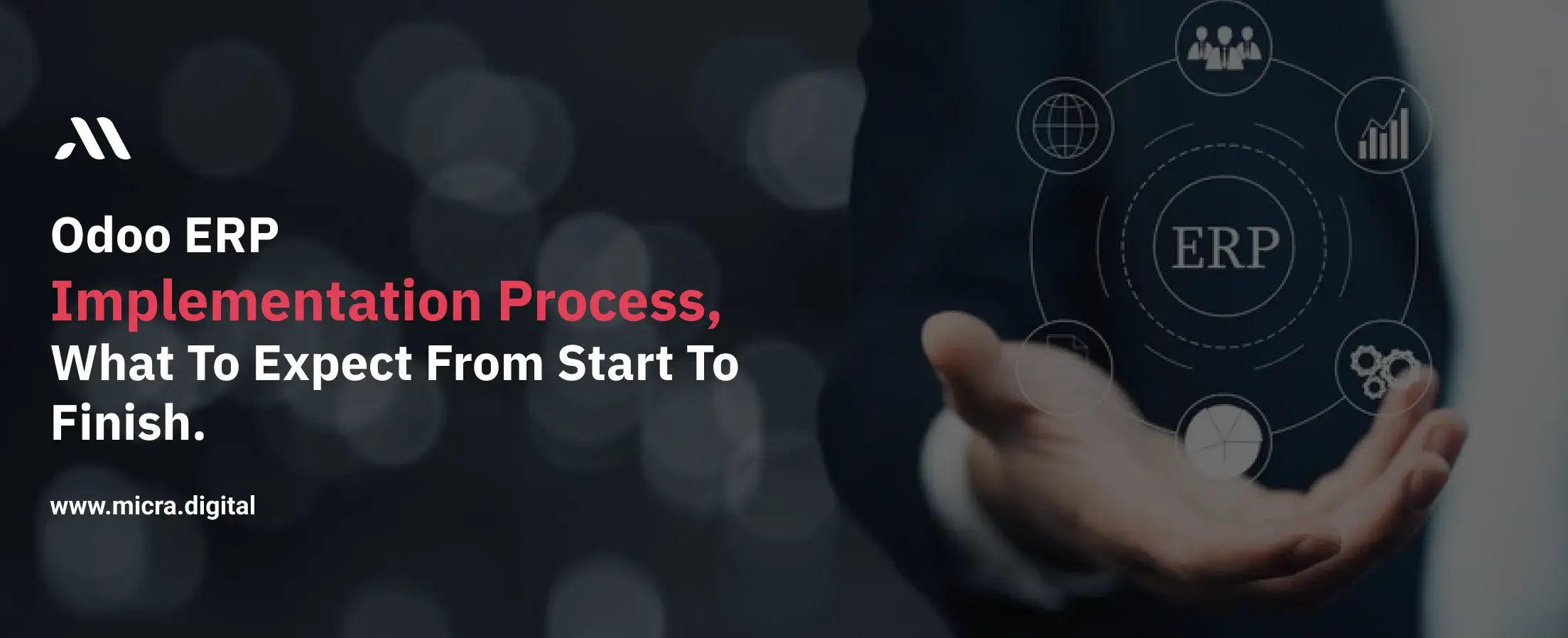
Embarking on an Enterprise Resource Planning (ERP) implementation journey is a transformative step for any business. The promise of an ERP system like Odoo is immense: integrated operations, improved efficiency, real-time insights, and ultimately, a stronger bottom line.
However, achieving these benefits requires careful planning, dedication, and a clear understanding of the Odoo ERP implementation process. It's not just about installing software; it's about re-imagining how your business works.
This detailed guide will walk you through the entire Odoo ERP implementation process, from the very first thought of needing an ERP system to the ongoing support that ensures long-term success.
We will demystify each stage, explain what to expect, discuss factors that influence the Odoo implementation cost, and offer tips to ensure your project stays on track.
Also Read: Odoo ERP for Beauty and Skincare Brands: A Complete Solution
.jpg)
This initial phase is arguably the most critical for any Odoo ERP implementation. It's where you define why you need an ERP system and what you hope to achieve.
This isn't just about what your current system does; it's about identifying pain points, inefficiencies, and growth aspirations. What problems are you trying to solve? Are you struggling with inventory management, slow reporting, disconnected departments, or manual data entry errors? This deep dive helps determine which Odoo modules are essential for your ERP solution.
What does success look like? Is it a 10% reduction in operational costs, a 15% increase in on-time deliveries, or improved data accuracy? Establishing measurable Key Performance Indicators (KPIs) early on helps guide the entire Odoo ERP implementation and allows you to track progress.
Based on your needs, you'll identify the specific Odoo modules (e.g., Sales, Inventory, Manufacturing, Accounting, CRM, Project, HR) that are necessary for your ERP system. Odoo's modularity is a huge strength, allowing you to pick and choose.
Assemble a dedicated internal project team. This typically includes a project manager, key users from different departments (finance, sales, operations, HR), and IT representatives. Their involvement is crucial for knowledge transfer and user adoption.
Selecting the right ERP software company partner is paramount. Look for a partner with proven Odoo implementation experience, deep industry knowledge (relevant to manufacturing, retail, etc.), and a track record of successful projects. They will be your guide through the entire Odoo ERP implementation journey.
Work with your chosen partner to create a detailed project plan, outlining timelines, milestones, responsibilities, and deliverables. This helps define the scope of your Odoo ERP implementation and manage expectations. This initial phase typically takes 1 to 4 weeks.
Once you know what you want, this phase focuses on how your Odoo ERP will be set up to meet those needs.
Your Odoo implementation partner will work closely with your team to map out your existing business processes and then design how these processes will operate within the new ERP system. This often involves identifying opportunities for improvement and automation that Odoo can offer.
This step compares your business requirements with the standard functionalities of Odoo software. Any identified "gaps" will require either a process adjustment on your part or a customization within Odoo.
This involves setting up the Odoo ERP modules chosen in Phase 1. This includes configuring company settings, user roles and permissions, chart of accounts, product categories, pricing rules, workflows, and more. This is where the Odoo solution starts taking shape.
If specific functionalities are not available out of the box, custom development may be required. This could involve creating new modules, modifying existing ones, or building integrations with other external software systems. It's important to keep customizations to a minimum to manage Odoo implementation cost and future upgrades.
Accurate data is the lifeblood of any ERP system. This phase is critical but often underestimated.
This is arguably the most labor-intensive part. You'll need to review, clean, and format your existing data (customer lists, product catalogs, vendor information, historical transactions, opening balances) to ensure it's accurate and compatible with Odoo. This can involve removing duplicates, correcting errors, and standardizing formats.
Extracting relevant data from legacy systems, spreadsheets, or other sources.
Converting extracted data into a format suitable for import into Odoo ERP.
Importing the transformed data into your new Odoo system. This often involves multiple test loads to ensure accuracy and completeness.
This phase ensures that your Odoo ERP works as intended and that your team is ready to use it.
This is where your key users actively test the configured Odoo ERP system against real-world scenarios and business processes. They will simulate daily operations, input data, and verify outputs. Any bugs, errors, or discrepancies are identified and reported for resolution.
If your Odoo ERP is integrated with other systems (e.g., payment gateways, external e-commerce platforms), these integrations are rigorously tested to ensure data flows seamlessly between them.
For larger implementations, performance testing ensures the ERP system can handle anticipated user loads and data volumes without slowing down.
Comprehensive training programs are conducted for all end-users. Training should be role-specific and hands-on, allowing users to practice tasks relevant to their daily jobs within the Odoo software. Effective training is paramount for user adoption and maximizing the ROI of your Odoo ERP implementation.
The moment your Odoo ERP officially goes live is a major milestone, but it's not the end of the journey.
This involves a carefully planned transition from your old system to Odoo ERP. It might be a "big bang" approach (all modules go live at once) or a phased approach (modules go live gradually). Phased implementation often reduces risk and allows teams to adapt.
Immediately after go-live, your team and your Odoo implementation partner will closely monitor the ERP system for any unexpected issues or performance anomalies.
This is a crucial ongoing service. It includes technical troubleshooting, bug fixes, user assistance, minor adjustments, and performance optimization. Good post-implementation support ensures your Odoo ERP continues to operate smoothly and evolves with your business. Many ERP software companies offer various support packages.
An Odoo ERP is a living system. Over time, as your business grows and processes change, you may need further customizations, new module implementations, or upgrades to newer Odoo versions to ensure your ERP solution remains the best ERP system for your evolving needs.
The Odoo implementation cost is not a fixed number and varies significantly based on several factors:
Don't let the complexity of Odoo ERP implementation deter you from realizing its immense benefits. Partner with Micra Digital and embark on a transformative journey towards greater efficiency and profitability with your Odoo solution.
The duration of an Odoo ERP implementation varies significantly based on business size, number of modules, and customization. Small businesses might go live in 1-3 months, while medium-sized businesses could take 3-6 months, and large enterprises 6-12+ months.
The primary factors influencing Odoo implementation cost include the number of users, the specific Odoo modules chosen, the level of customization required, the complexity of data migration, and the scope of training and ongoing support from your chosen ERP software company's partner.
Yes, data migration is critically important. Inaccurate or incomplete data can lead to serious issues in your new ERP system, impacting everything from reporting to daily operations. Thorough data cleansing and careful migration are essential for a successful Odoo implementation.
Successful user adoption hinges on effective change management and comprehensive training. Clear communication about the benefits of the new Odoo ERP, role-specific training, hands-on practice, and ongoing support are crucial to ensure your team embraces the ERP software.
Micra Digital provides extensive post-implementation support, including technical troubleshooting, bug fixes, ongoing user training, performance monitoring, and strategic consulting to ensure your Odoo solution continues to meet your evolving business needs and remains the best ERP system for your organization.
Let Odoo take your business to the next level!
Contact us and take the next step!
Follow Our Adventures!

Ready to launch your next project?
Company
Copyright © 2020. micra.digital. All rights reserved.